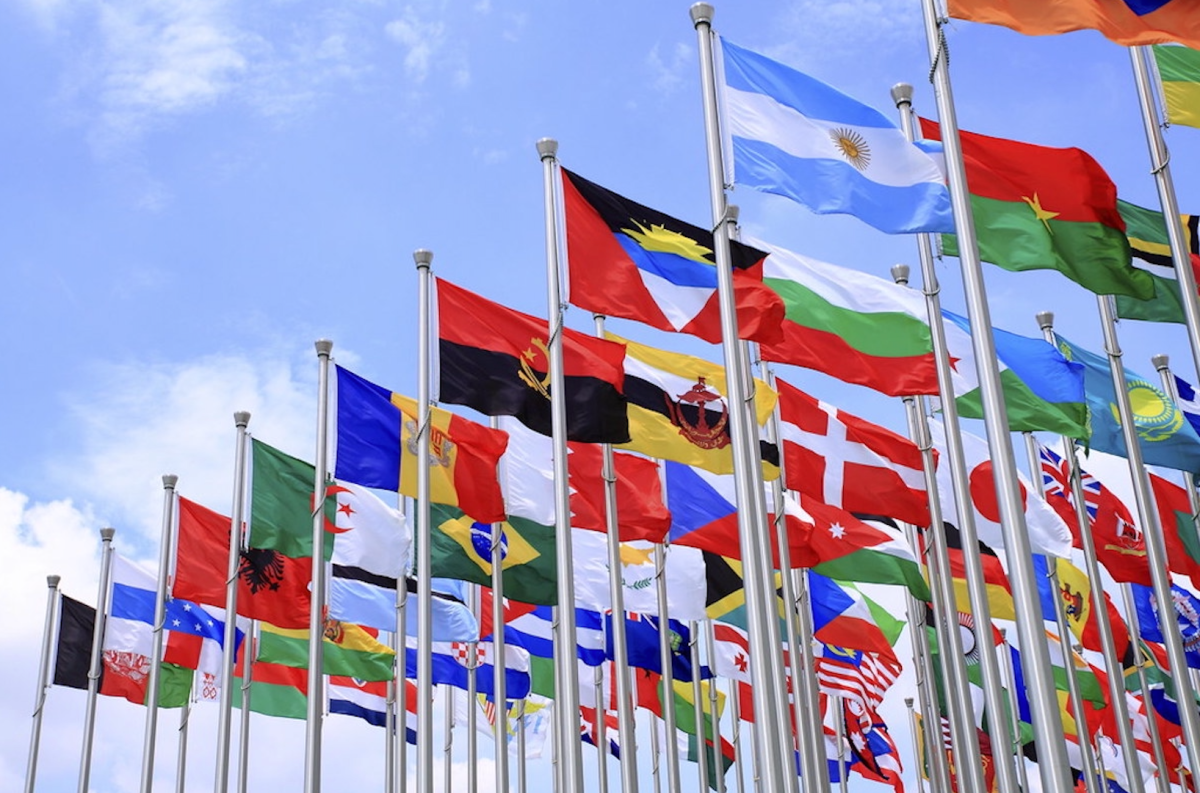
Over centuries, countries have adopted different strategies in terms of diplomacy. From the United States’ “hard boots” approach to soft diplomacy – nations have learned how to adapt in order to foster positive relationships and enhance their image on the global stage. Over the course of the past years, strategies have evolved to incorporate behavioral insights, helping to deliver more targeted and effective policy solutions. In addition, the understanding of human behavior effectively contributed to the design of new forms of intervention, as well as complementing traditional approaches (i.e. regulations, incentives, and information requirements). This article aims to explore the intersection of public diplomacy and behavioral insights, by studying the synergies between the two, and their capacity to shape perception as well as build trust and ultimately influence foreign policy.
Now what is public diplomacy?
Public diplomacy consists of various efforts aimed at communicating directly with foreign publics. Amongst other things, it includes statements made by decision makers, cultural exchanges, educational programs as well as efforts to persuade international media to portray official policies favorably to foreign audiences. Public diplomacy diverges from traditional diplomacy, which primarily involves relations amongst governing bodies and instead aims to engage with the local population. To illustrate, we can think of the United States’ efforts during the Cold War to persuade European audiences that the West’s way of functioning was superior to any alternative, especially the regime imposed in the East. The voice of America broadcast directly into the Warsaw pact nations of Eastern Europe to dispel myths about the West. Simultaneously, the U.S. State Department established a network of reading rooms in Allied countries, replete with books about American history and culture. The department hoped that exposure to American principles and ideas would reinforce broad support for U.S. policies.
What is the role of behavioral insights in regards to public diplomacy?
In his 2019 article, “The Case for Applying Behavioral Economics to Public Diplomacy,” Fisher explores the potential benefits of integrating behavioral economics principles into the world of public diplomacy. According to him, understanding and effectively targeting the psychological factors that influence decision making can make a notable difference in the effectiveness of diplomatic efforts. Behavioral economics are a valuable tool to reach and resonate with target audiences, helping to address the cognitive biases that shape public opinion. Fisher argues that the insights brought by the field can lead to more nuanced and impactful communication strategies, ultimately fostering better relations.
In addition, Fisher puts heavy emphasis on the importance of recognizing the irrational and emotional elements which are inherent to human decision-making. His opinion highlights the need for diplomats to stir away from the traditional models of rational decision making. Instead, he argues the need to be mindful of the social and psychological factors which play a key role in shaping public opinion. The incorporation of such tactics can help diplomats to tailor their strategies in order to align themselves in a more comprehensive way with the cognitive processes of their chosen audience. The implementation of these strategies is crucial, as their comprehensive approach of the audience ultimately increases the likelihood of successful engagement and contributing to positive diplomatic outcomes
Contemporary examples
As of recently, an example of the intersection of the two fields would be Canada’s “Welcome Refugees” initiative which encourages individuals and communities to get involved in refugee resettlement. Providing an alternative way of welcoming refugees, it is based on private sponsorship supplementing Canada’s traditional government-funded resettlement program, allowing for a more grassroots oriented movement. Heavily focused on public awareness, it aims to achieve more fairness in systems affecting refugees, foster more welcoming communities across Canada in order to rebut myths about refugees and emphasize their contribution to society. The success of this program even inspired the “Revolutionary” welcome corps in the United States, based on the same philosophy.
Conclusion
The implementation of behavioral insights into public diplomacy marks a crucial shift in diplomatic strategies, away from traditional models that did not previously take into account some of the essential human characteristics of the populations. By recognising and addressing the underlying drivers of human behavior, the diplomatic corps are able to create more effective campaigns and initiatives. Thus, elements such as cultural sensitivity, paired with behavioral insights, are key components in the crafting of successful initiatives. The synergies between the two and their potential to shape perceptions, build trust, and influence foreign policy are essential to the navigation of the contemporary international stage.
References
Fisher, A. (2019). The Case for Applying Behavioral Economics to Public Diplomacy. Public Diplomacy Magazine, 11.
Snow, N., & Taylor, P. M. (2006). Routledge Handbook of Public Diplomacy. Routledge.
Shulman, S. W., & Jernigan, C. I. (2019). Behavioral Science and Diplomacy. Foreign Policy Analysis, 15(3), 397–414.
SOUSA, LOURENCO Joana, et al. “Behavioural Insights Applied to Policy – European Report 2016.” JRC Publications Repository, 19 Feb. 2016, publications.jrc.ec.europa.eu/repository/handle/JRC100146.
“Public Diplomacy | Definition, Types, Examples, & Propaganda | Britannica.” Encyclopædia Britannica, 2019, http://www.britannica.com/topic/public-diplomacy.
Zumhagen, Brian. “How Canada Inspired “Revolutionary” Welcome Corps.” HIAS, 1 Feb. 2023, hias.org/news/how-canada-inspired-biden-administrations-revolutionary-welcome-corps-initiative/. “Refugees Welcome Here | Canadian Council for Refugees.” Ccrweb.ca, ccrweb.ca/en/refugees-welcome-here.
 B.BIAS